
Four examples of physical activities to help prevent dementia
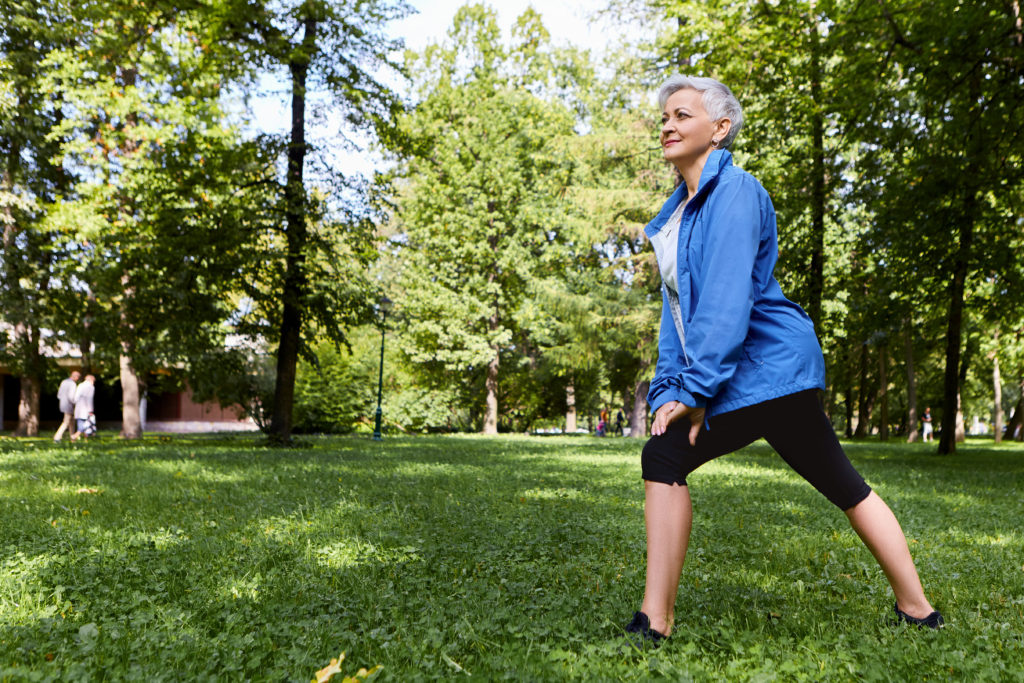 Quebec research is unanimous: regular physical activity plays a central role in brain health throughout life. Certain types of movement actively help prevent cognitive decline and dementia.
Below are four examples of physical activities and their benefits for cognitive health, according to specialists in Quebec.
-
Brisk walking: the foundation of an active brain
Often underestimated, brisk walking is nonetheless one of the most effective and accessible interventions for preserving cognitive health. Quebec neuropsychologist Louis Bherer points out that regular walking is associated with slower cognitive decline and a reduced risk of dementia among older adults. When practiced at a moderate intensity, it increases cerebral blood flow and stimulates the production of BDNF (brain‑derived neurotrophic factor), a protein essential for neuron survival and memory.
Dr. Louis Bherer is an internationally renowned researcher at the Research Centre of the Montreal Heart Institute and a professor at the Université de Montréal.
-
Strength training: supporting the brain through the body
Long associated solely with physical health, strength training is now recognized as a valuable ally for cognitive health. Exercises using weights, resistance bands, or body weight help reduce chronic inflammation and improve executive functions.
The SAFE Program, supported by Quebec organizations focused on cognitive health, explicitly recommends adapted strength training for older adults to maintain independence and slow cognitive decline.
SAFE is a seniors’ fitness and balance support program developed by the Division of Geriatrics at the McGill University Health Centre (MUHC).
-
Coordination activities: when movement becomes learning
Practices such as dance, tai chi, and dynamic yoga engage both body and mind simultaneously. They require memorization of movement sequences, motor coordination, and sustained attention, thereby stimulating multiple neural networks at once.
The L’Abécédaire d’un cerveau en santé recommends these enriched motor activities to promote cognition in a holistic and enjoyable way.
The goal of L’Abécédaire d’un cerveau en santé is to inform, equip, and support individuals as they become familiar with the latest knowledge and resources related to cognitive disorders, including dementia.
-
Other aerobic exercises: oxygenating the brain
Continuous aerobic activities such as cycling, swimming, or rhythmic dance engage the cardiovascular system and promote better oxygenation of the brain.
According to Dr. Valérie Plante, an internist–geriatrician at the CIUSSS de la Capitale‑Nationale, evidence from the international literature shows that these exercises support cognitive functions at various stages of aging, including among people with mild neurocognitive disorders.
“It’s time to get active” was developed by the Ontario Brain Institute. This resource shares information about general recommendations for physical activity and strategies to get active.
Link: It’s time to get active
Quebec research paints a clear picture: the brain thrives on movement—especially when it is regular, varied, and engaging. Moving is not only about living longer; it is also about thinking longer.